PT-222
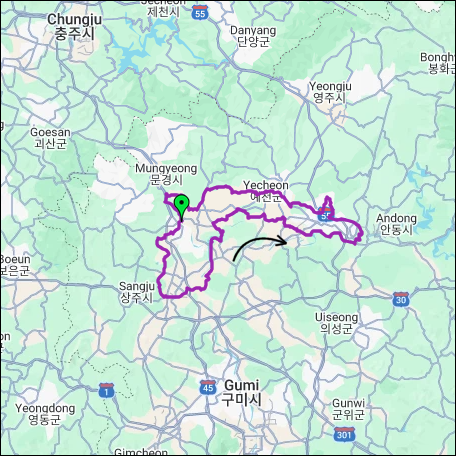
203km / 1,750 m
Last Update : 2026.10.07
문상안예 / Munsanganye
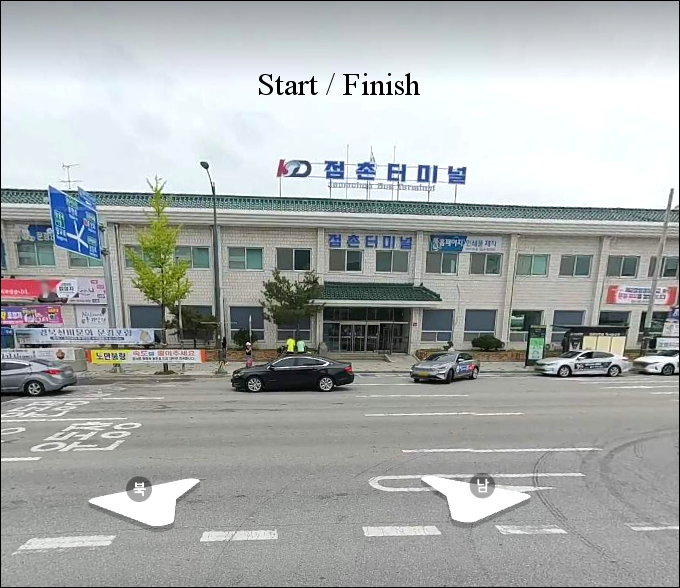
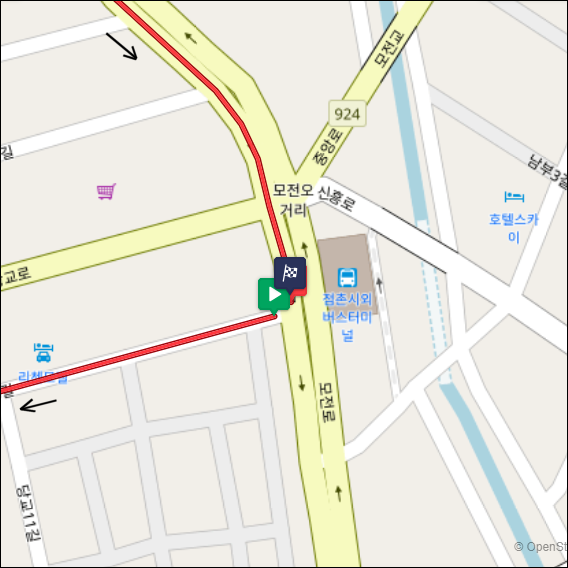
출발/완주점 Start/Finish
문경시 점촌 터미널
Mungyeong City, Jeomchon terminal

코스에 대한 설명
경북 북부의 역사와 낙동강 젖줄을 따라 달리는 순환 경로 ‘문상안예(聞尙安醴)’는, 경상북도의 대표적인 네 도시 문경(聞慶), 상주(尙州), 안동(安東), 예천(醴泉)의 앞 글자를 딴 것으로, 주행 내내 기분 좋은 소식을 듣고(聞), 유서 깊은 고을을 지나며(尙), 편안함과(安) 단술 같은 풍요로움(醴)을 만끽할 수 있는 경로입니다.- "기쁜 소식을 듣는 곳"이라는 의미의 문경(聞慶)은, 조선시대 영남의 선비들이 과거시험을 보러 한양으로 갈 때 지나던 영남대로의 중심지이자 '경사스러운 소식을 듣는다'는 뜻을 지니고 있어, 한양길 오르던 유생들이 반드시 들러간 길지 입니다.
- "경상도의 '상(尙)'자를 딴 으뜸 고을"이자 낙동강 7백리 중 풍광이 가장 뛰어난 구간을 품은 상주(尙州)는, 조선시대 경상감영이 위치했던 경상도의 중심 도시이자 삼백(쌀, 곶감, 누에고치)의 고장입니다.
- 물 맛이 달고 깨끗하여 "단술(醴)처럼 단 샘물이 흐르는 고장"으로 통하는 예천(醴泉)은, 내성천과 낙동강이 만나 빚어낸 천혜의 자연경관과 전통 유교 문화가 잘 보존된 곳으로, 회룡포(물돌이 마을), 삼강주막(낙동강 마지막 주막), 용궁역, 선몽대를 품은 지역으로 유명합니다.
- 고려 태조 왕건이 고창전투에서 승리한 후 '동쪽을 안정시켰다' 하여 명명된 안동은 "동쪽을 안편하게 하는 양반과 유교의 고향"이라는 의미로 한국 유교 문화의 중심지이자 수많은 문화재를 간직한 정신문화의 수도로 통합니다.
절에 따른 국풍(북서풍 또는 남서풍)의 영향을 크게 받고, 강변 도로는 아침 일찍이나 가을철에 짙은 강안개가 끼는 경우가 많으므로 전/후미등을 반드시 점등하고 안전거리를 확보해야 함을 잊지 마시기 바랍니다.
Description of the course
The ‘Munsang-Anye’ (聞尙安醴) loop traverses the heart of northern Gyeongsangbuk-do along the historic lifeline of the Nakdong River. Taking its name from the first Chinese characters of four historic cities—Mungyeong (聞), Sangju (尙), Andong (安), and Yecheon (醴)—the route embodies its namesake: hearing good news (聞), passing through historic towns (尙), and enjoying peaceful (安) and sweet, prosperous riding (醴).- Mungyeong (聞慶) — "Where Good News Is Heard"
Situated at the heart of the historic Yeongnamdaero pass, Mungyeong was a mandatory stop for scholars heading to Hanyang (Seoul) for the civil service exams, favored for its auspicious name promising good tidings. - Sangju (尙州) — "The Premier Provincial Capital"
The source of the "Sang" in Gyeongsang-do, Sangju housed the provincial government during the Joseon Dynasty. Famed for its "Three Whites" (rice, dried persimmons, and silkworm cocoons), it boasts the most scenic stretch along the 700-ri Nakdong River. - Yecheon (醴泉) — "Land of Sweet Springs"
Named for its pure, sweet spring water, Yecheon seamlessly blends rich Confucian heritage with dramatic natural scenery where the Naeseongcheon Stream meets the Nakdong River. Key landmarks include the Hoeryongpo oxbow bend, Samgang Inn (the last remaining traditional tavern along the river), Yonggung Station, and Seonmongdae Pavilion. - Andong (安東) — "Pacifying the East"
Bestowed its name by King Taejo of Goryeo after his victory in the Battle of Gochang ("pacifying the east"), Andong stands as the spiritual capital of Korea's Confucian culture and noble Yangban traditions, preserving a wealth of historic treasures.
Designer's Note: Be mindful of seasonal crosswinds and headwinds (prevailing northwesterlies or southwesterlies along the river basin). Riverbank sections are particularly prone to heavy fog early in the morning and during autumn—keep your front and rear lights running on steady/flash mode at all times and maintain a safe paceline distance.